

Over the winter months, it’s common to see patients with debilitating symptoms such as profound fatigue, persistent sadness, irritability, and difficulty concentrating. The lack of sunlight on the body disrupts our circadian rhythms and significantly impacts the production of serotonin, a crucial neurotransmitter that regulates mood, appetite, and sleep.

Low serotonin levels are linked to feelings of hopelessness and lethargy, making it challenging to engage in daily activities.
Our bodies are masters at transducing and transforming light energy. It’s a common misconception that most of the light that enters our eyes is involved in vision, but actually, it is a small percentage. After it flows into the eye in the form of electromagnetic energy, it changes to chemical energy at the back of the eyeball, then it’s sent as electrical impulses through the optic nerve to various areas of the brain.
Signals are relayed to the suprachiasmatic nucleus (SCN) in the hypothalamus. This area of the brain is responsible for regulating circadian rhythms, our internal biological clock that governs sleep-wake cycles and hormonal release.
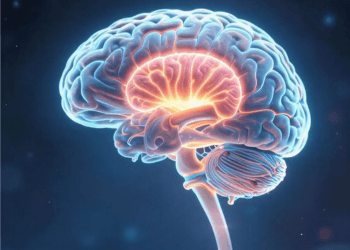
As the SCN receives these signals, it prompts the brain’s pineal gland to reduce the production of melatonin, the hormone promoting sleep, helping combat daytime fatigue. Simultaneously, the SCN influences the release of neurotransmitters, particularly serotonin. Increased exposure to bright light enhances serotonin synthesis and release in the brain, which can elevate mood and improve overall emotional well-being
This syndrome caused by lack of light is called Seasonal Affective Disorder, or SAD. However, the science reveals that exposure to bright light, on the other hand, will stimulate the eye’s retina, which sends signals to the brain to increase serotonin production. This is where phototherapy, or light therapy, becomes a powerful intervention. By using specially designed light boxes that emit bright, full-spectrum light, individuals can effectively mimic natural sunlight, helping to restore serotonin levels and improve mood. Full spectrum will not be available in artificial lighting, however it is possible to access outside, from the sun , in winter especially around midday. However it’s difficult to get enough of this in the northern hemisphere so in this case best advice is to buy a small light device, which should be used daily.
Understanding the biochemical underpinnings of SAD empowers affected individuals to take effective action. Moreover, light therapy can also impact other neurotransmitters, such as dopamine and norepinephrine, which play roles in motivation and alertness. By effectively mimicking natural sunlight, phototherapy not only helps restore balance to these critical neurotransmitter systems but also reinforces the body’s natural rhythms, allowing individuals to regain energy, focus, and a sense of joy during the darker months. Harnessing the power of light can be transformative, offering a scientifically backed approach to combat the debilitating effects of SAD.