

Is your gut getting more reactive as you get older?
Menopause or andropause, changing your weight and digestion?
My patient Deborah expressed,
“I’ve never faced these issues before, and I’m really puzzled by it. Lately, after I eat, I often experience immediate bloating, gurgling, and sometimes discomfort. Other times, I feel perfectly fine—it seems completely unpredictable to me.
Moreover, at 48 and going through perimenopause, I’ve gained around 5 kg, mostly around my waist, which has never been a problem for me in the past. What surprises me is that I’m actually eating healthier than I ever have and likely exercising more regularly! I’ve also noticed that my mood isn’t as upbeat as it used to be. I know there are many factors contributing to this—like retiring and my children moving out. Yet, this is meant to be a joyful phase of life.”
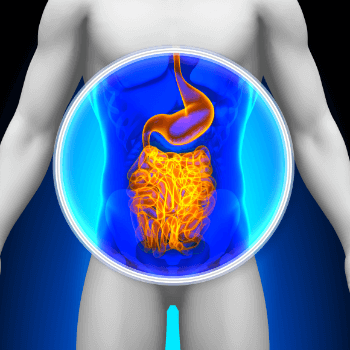
There are numerous distinct factors to consider. Here’s a list, and below it tips for cure:
– After the age of 40, our production of stomach acid for digestion decreases.
– Gallbladder function diminishes, resulting in reduced tolerance for fatty foods and impaired digestion in the small intestine.
– This may lead to an increase in small intestinal bacteria (SIBO).
– The presence of thick bile from the liver causes food to remain in the digestive tract longer, allowing bacteria to proliferate, which can lead to bloating.
– In both genders, hormonal declines associated with menopause can contribute to insulin resistance, resulting in weight gain around the abdomen.
– Insulin resistance also leads to fluctuations in blood sugar levels, which can trigger sugar cravings and further impact bile production.
**WHAT YOU CAN DO:**
1. **Hormonal Balance:** I am available to assess both male and female hormone levels, utilizing natural supplements instead of pharmaceuticals whenever possible. TRT, HRT, BHRT are now considered part of modern anti-aging!
2. **Dietary Adjustments:** Certain foods, such as onions, apples, and other fermentable items, can lead to bloating. It may be beneficial to limit these while we focus on healing your gut. There are specialised blood test for this I can organise for you.
3. **Blood Sugar Stability:** To maintain stable blood sugar levels, prioritize regular intake of protein and fiber, along with healthy fats like yogurt and olive oil.
4. **Whole Foods Focus:** Stick to whole foods, as processed items can disrupt gut health. Additionally, regular consumption of alcohol and artificial sweeteners may exacerbate gut issues and inflammation of the intestinal lining.
5. **Chewing Thoroughly:** Increased chewing can help compensate for reduced stomach acid, allowing digestive enzymes in saliva to work more effectively.
6. **Mindful Eating:** Timing is crucial. The adage about not eating in haste or while stressed holds true; your body struggles to digest food properly in a fight-or-flight state. It’s also wise to allow at least three hours between your evening meal and bedtime to ensure your body can rest rather than focus on digestion.
I hope these suggestions support your health journey. Please reach out if you need assistance with any of these concerns.
WhatsApp for an appointment: +85294563881